

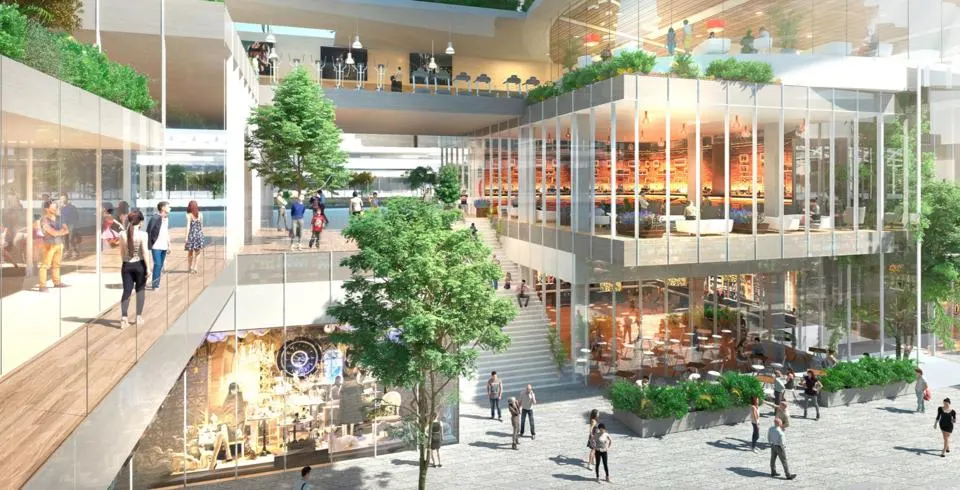
Cities are constantly evolving, and with limited land available developers are finding creative ways to make the most of every square meter. One of the most exciting trends is the rise of multi‑purpose venues that adapt to different needs throughout the day and year. Rather than having separate halls for concerts, conferences or community gatherings, modern designs combine these functions into flexible environments. In Bangkok, new developments integrate an event space within mixed‑use districts, allowing residents and visitors to experience everything from art exhibitions to fitness classes without leaving the neighborhood.
The appeal of a multi‑use venue lies in its adaptability. Modular walls, moveable seating and smart lighting systems make it easy to transform a large hall into smaller rooms or an outdoor space into a sheltered pavilion. During the day the area might host corporate meetings and workshops; by evening it becomes a venue for cultural performances or weekend markets. This flexibility ensures that the space remains active and profitable, while providing a diverse range of experiences for the community. People enjoy the convenience of attending events close to home rather than travelling across the city, and organizers appreciate the ability to customize the environment to suit their vision.
These spaces also serve an important social function by fostering a sense of community. When a neighborhood has a central hub where residents can gather for live music, film screenings or charity fundraisers, it strengthens the bonds between neighbors. Public plazas and lawns adjacent to the hall encourage informal interaction, whether parents are watching their children play or friends meet for a picnic. Food trucks and local vendors often pop up during festivals, creating a lively atmosphere that supports small businesses. This mix of commercial and cultural activity reflects the idea that urban living is about more than just work and residence; it is about shared experiences that enrich daily life.
From an economic perspective, multi‑purpose venues make smart use of real estate. Instead of building single‑function halls that sit empty when not in use, developers create adaptable spaces that generate revenue year‑round. Hotels, offices and residential towers benefit from the added amenity, as visitors attending events may stay on site, dine at nearby restaurants or shop at adjacent retail outlets. This synergy increases foot traffic and adds value to the surrounding properties. It also reduces the need for separate facilities spread across the city, saving on construction and maintenance costs.
Sustainability is another reason why these spaces are gaining popularity. Designs often incorporate natural light, efficient climate control and renewable energy sources to reduce environmental impact. Green roofs and adjacent gardens help manage rainwater and provide pleasant outdoor areas for gatherings. By concentrating event infrastructure in a single, well‑designed location, cities can minimize transportation emissions and encourage walking or cycling to local events. As more people prioritize environmental responsibility, venues that balance convenience with green practices are becoming the preferred choice.
The future of urban living will likely involve even more adaptable and community‑oriented spaces. Advances in technology will enable quicker room reconfiguration and interactive experiences, while data analytics could help venues predict demand and tailor offerings. As Bangkok continues to grow, multi‑purpose event spaces will play a crucial role in creating dynamic and inclusive neighborhoods. They demonstrate how thoughtful design can bring people together, support local culture and make efficient use of limited urban land.