

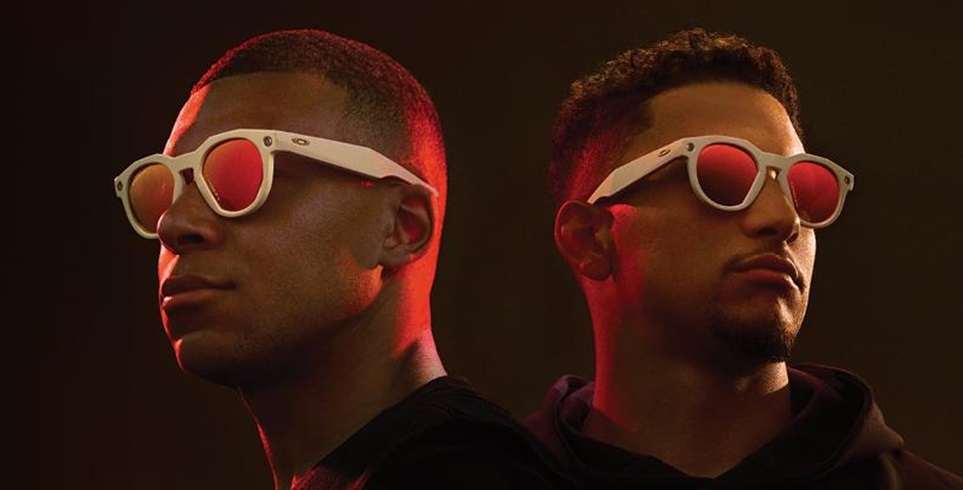
Smart glasses have been edging into the mainstream for years, moving from science fiction to something you might actually see at the gym or on your morning commute. With each new launch, the same question pops up: are smart glasses bad for you? It is a fair worry, especially when the tech sits directly on your face. But as with most new gadgets, the answer is less dramatic than the headlines suggest, and more about how you use them and what you expect from them.
Understanding the concerns
Much of the worry comes from the idea of having a tiny computer near your eyes and temples. People imagine hidden radiation, overwhelming brightness or subtle damage that builds over time. The reality is very different. Smart glasses, including modern models such as the Oakley Meta HSTN, use low-power components that operate well within established safety limits. They do not emit harmful levels of radiation, and they certainly do not interfere with your eyesight in the way many assume.
Another common concern is eye strain. Staring at any screen for long periods can make your eyes feel tired, but smart glasses are not designed to beam a cinema screen into your vision. The visual elements are small, occasional and meant to sit comfortably within your field of view. If you already spend hours looking at a phone or laptop, smart glasses will not add anything more intense. Taking regular breaks, staying hydrated and maintaining good posture still matter far more than the device itself.
Then there is the question of distraction. Some critics argue that having information pop up in front of you could be dangerous. It is true that using any device while walking, cycling or driving requires common sense. Yet smart glasses are built around quick glances rather than long moments of focus. If anything, they reduce the temptation to pull out your phone and stare downward for minutes at a time. They encourage short, contained interactions that keep your hands free and your head up.
How smart glasses impact your daily life
When people ask if smart glasses are bad for you, they usually mix physical concerns with lifestyle worries. Will wearing them make you anxious, disconnected or too plugged in? Interestingly, many users report the opposite. Smart glasses streamline small tasks rather than adding more noise to your day. Hands-free reminders, quick photo capture and guided workouts feel more natural when you are not holding a device in front of you.
Consider how many moments in your day involve checking something. Weather. Directions. A message. A song change. Each of those taps means you briefly detach from the world around you. With smart glasses, those interactions can be lighter and less intrusive. You stay visually present, even while using technology. Instead of deepening dependency, they can actually reduce compulsive checking habits.
Another lifestyle concern relates to comfort and long-term wear. Early smart glasses were bulky and heavy, but modern versions have refined their fit, design and weight. Frames like the Oakley Meta HSTN blend the familiar feel of everyday eyewear with subtle tech features that do not dominate your face. The balance of function and form has improved dramatically, making these glasses feel more like part of your wardrobe than a gadget glued to your head.
Why the fear persists
Part of the continued scepticism comes from cultural memory. The first wave of smart glasses launched before people were ready. They were expensive, awkward and socially misunderstood. Because of that shaky start, the myth that smart glasses are inherently risky has stuck around longer than it deserves.
There is also an instinctive fear of anything that mixes technology with the body. We have seen it with wireless headphones, fitness trackers and even early mobile phones. Time usually proves the worries to be overstated. Once people understand how the technology works, and once the design becomes more refined, the concerns naturally fade.
Privacy is another issue that feeds the fear. Some wonder whether smart glasses secretly record everything. While it is important to choose models from trustworthy brands and understand the settings, the idea that smart glasses are constantly spying is a misconception. LED indicators, limited storage and user-controlled features make the experience far more transparent than many assume. The key is to treat them the same way you treat your phone: use them responsibly and respect the people around you.
So are smart glasses bad for you
After sifting through the worries and the realities, the picture becomes clear. Smart glasses are not harmful when used sensibly. They do not damage your eyes, flood your body with unsafe signals or isolate you from the real world. They simply offer a new way of interacting with information, one that can actually make your daily habits lighter and more streamlined.
As with any technology, your experience depends on moderation, awareness and choosing a pair that fits your lifestyle. Modern designs, including the Oakley Meta HSTN, show how far the industry has come in creating glasses that feel natural, comfortable and safe. The fear surrounding smart glasses belongs more to old rumours than present-day reality.
Smart glasses are not bad for you. In many cases, they can make life a little smoother, a little simpler and a little more connected to what is right in front of you.