

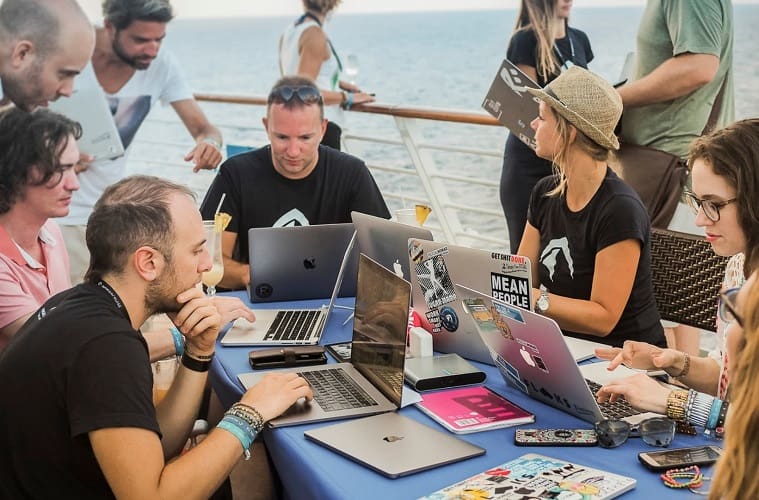
The rise of remote work has fundamentally shifted the concept of a workplace from a physical office to any location with a stable internet connection. As we move through 2026, the digital nomad lifestyle has matured from a niche trend into a structured global movement. Modern remote workers are no longer just looking for a beach with Wi-Fi; they are seeking long-term residency in cities that offer a high quality of life, robust legal frameworks, and vibrant social communities.
Choosing a home base requires balancing several critical factors: the cost of living, the reliability of infrastructure, the ease of obtaining a visa, and the overall safety of the environment. From the cobblestone streets of Europe to the bustling metropolises of Southeast Asia, certain cities have emerged as clear leaders for those looking to settle down for months or even years.
Lisbon, Portugal
Lisbon has consistently ranked as one of the premier destinations for digital nomads, and for good reason. It offers a sophisticated European lifestyle at a price point that remains more accessible than London, Paris, or New York. The city is famous for its mild climate, historic architecture, and a tech-forward atmosphere that supports a massive ecosystem of startups and coworking spaces.
The introduction of the Portuguese Digital Nomad Visa, often referred to as the D8 visa, has made long-term residency significantly more straightforward. This visa allows remote workers to live and work in the country legally, provided they meet a specific income threshold. Furthermore, Lisbon serves as a gateway to the rest of Europe, making it an ideal central hub for those who wish to travel while maintaining a stable home base.
-
Average Monthly Cost: $2,800 to $3,500
-
Internet Infrastructure: Excellent, with widespread fiber-optic availability.
-
Community: One of the densest nomad populations in the world, with daily networking events.
-
Key Advantage: A clear path to permanent residency and eventually EU citizenship.
Mexico City, Mexico
Mexico City has experienced a massive influx of remote workers over the last few years, transforming neighborhoods like Roma Norte and Condesa into international tech hubs. The city offers a unique blend of high-speed modern infrastructure and deep cultural history. For North American nomads, the timezone alignment is a significant benefit, allowing for seamless collaboration with clients in the United States and Canada.
The residency process in Mexico is notably flexible. Many nomads start with a six-month tourist permit and eventually transition to temporary residency, which can be held for up to four years. The sheer scale of the city means there is always something new to explore, from world-class museums to an endless array of street food and fine dining.
-
Average Monthly Cost: $1,800 to $2,500
-
Internet Infrastructure: Very reliable in major neighborhoods, with many dedicated coworking hubs.
-
Community: A massive, diverse expat and nomad community.
-
Key Advantage: Proximity to the US and a low barrier to entry for residency.
Chiang Mai, Thailand
Long considered the spiritual home of the digital nomad movement, Chiang Mai continues to thrive in 2026. While it was once seen as a budget-only destination, it has evolved to offer high-end luxury alongside its famous affordability. The city provides a high standard of living, exceptional healthcare, and some of the best cafes for remote work in the world.
The Thai government has recognized the value of remote workers by introducing the Long-Term Resident visa and the Destination Thailand Visa. These programs are designed specifically for professionals and digital nomads, offering long-term stays without the traditional “visa run” complications of the past. The community in Chiang Mai is particularly strong in the fields of e-commerce, digital marketing, and software development.
-
Average Monthly Cost: $1,200 to $1,800
-
Internet Infrastructure: High-speed internet is standard even in budget accommodations.
-
Community: Highly organized, with numerous Slack groups and community-led workshops.
-
Key Advantage: Exceptional value for money and a very low cost of high-quality dining.
Medellín, Colombia
Medellín, known as the City of Eternal Spring, has become the crown jewel of the South American nomad circuit. Its temperate climate and mountainous backdrop make it one of the most beautiful urban environments for residency. The city has invested heavily in its infrastructure, resulting in a clean, efficient metro system and a growing number of technology parks.
Colombia’s Digital Nomad Visa is one of the most accessible in the region, allowing stays of up to two years. Nomads typically flock to the El Poblado and Laureles neighborhoods, where the density of cafes and coworking spaces is highest. The local culture is welcoming, and the social life is vibrant, with a strong emphasis on outdoor activities and nightlife.
-
Average Monthly Cost: $1,500 to $2,200
-
Internet Infrastructure: Stable in most central areas, though it is wise to check specific buildings.
-
Community: Growing rapidly, with a focus on social impact and entrepreneurship.
-
Key Advantage: A very friendly local population and an active, outdoorsy lifestyle.
Tbilisi, Georgia
Tbilisi has emerged as a dark horse in the digital nomad world, primarily due to its incredibly open-door policy. Georgia offers one of the few programs in the world where citizens of dozens of countries can stay and work for an entire year without a visa. This ease of entry, combined with a very low cost of living, has made it a favorite for those looking to maximize their savings.
The city itself is a fascinating mix of ancient history and Soviet-era architecture, now being revitalized by a young, creative generation. While the winter months can be cold, the hospitality and the famous Georgian wine culture more than make up for it. Tbilisi is particularly attractive to those who work in creative fields or those looking for a base that feels truly unique compared to Western European capitals.
-
Average Monthly Cost: $1,000 to $1,500
-
Internet Infrastructure: Generally good, though smaller towns outside the capital may vary.
-
Community: Tight-knit and supportive, often centered around creative hubs like Fabrika.
-
Key Advantage: Unmatched ease of legal stay and extremely affordable real estate.
Bali, Indonesia (Canggu and Ubud)
Bali remains a staple for those seeking a wellness-oriented lifestyle. While Canggu caters to the surf and social crowd, Ubud offers a jungle-shrouded retreat for those focused on meditation and deep work. The Indonesian government has streamlined its visa offerings, including the B211A and the newer nomad-specific visas, to facilitate stays of six months or longer.
Infrastructure in Bali has improved significantly, with dedicated fiber lines now servicing most villas and coworking spaces. The island offers a high quality of life that prioritizes health, with a massive industry built around organic food, yoga, and fitness. For many, the ability to live in a private villa with a pool for the price of a small studio in a Western city is the ultimate draw.
-
Average Monthly Cost: $1,500 to $2,500
-
Internet Infrastructure: Greatly improved, with many specialized “nomad-friendly” rentals.
-
Community: One of the largest in the world, with a heavy focus on wellness and spirituality.
-
Key Advantage: An unparalleled work-life balance in a tropical setting.
Valencia, Spain
While Madrid and Barcelona often get the spotlight, Valencia has quietly become a top choice for long-term remote residency. It offers the same Mediterranean climate and Spanish culture but with less congestion and more affordable rent. Valencia is highly walkable, incredibly safe, and boasts a massive park, the Turia Gardens, that runs through the heart of the city.
Spain’s Digital Nomad Visa is a powerful tool for those seeking a European base. It provides a path to residency and offers specific tax advantages under certain conditions. Valencia’s slower pace of life, combined with its high-quality healthcare and public transportation, makes it particularly appealing for nomads who are slightly older or traveling with families.
-
Average Monthly Cost: $2,200 to $3,000
-
Internet Infrastructure: Top-tier, with some of the fastest speeds in Europe.
-
Community: Large enough to be active but small enough to feel personal.
-
Key Advantage: A high safety rating and a very high general quality of life.
Frequently Asked Questions
How do digital nomad visas differ from standard tourist visas?
Digital nomad visas are specifically designed for long-term stays and legally permit the holder to perform remote work for companies located outside the host country. Unlike tourist visas, which usually expire in 30 to 90 days and forbid working, nomad visas typically last one to two years and can often be renewed. They also provide a legal residency status, which can be useful for opening bank accounts or renting long-term housing.
What is the average income requirement for a digital nomad visa?
The requirement varies significantly by country. For example, some Southeast Asian or Latin American countries may require a monthly income of $1,500 to $2,500. In contrast, European countries like Portugal, Spain, or Greece often have higher thresholds, typically ranging from $2,800 to $4,000 per month. You must provide bank statements or pay stubs as proof of this income during the application process.
Do I have to pay taxes in the country where I am residing as a nomad?
Tax liability depends on the specific country’s laws and the duration of your stay. Many countries have a 183-day rule, where you become a tax resident if you stay longer than half a year. However, some digital nomad visas offer special tax exemptions or flat rates for the duration of the visa to attract remote workers. It is essential to consult with a tax professional who understands the treaties between your home country and your host country.
Is it difficult to find long-term housing in these hubs?
In popular hubs like Lisbon or Mexico City, the demand for housing is high. Most nomads start with a short-term rental for the first month to scout neighborhoods. For long-term stays of six months or more, it is often better to use local rental platforms or join community groups on social media rather than relying solely on international booking sites, which often charge a significant premium.
How do digital nomads handle healthcare while living abroad?
Most digital nomad visas require proof of private health insurance that covers the duration of the stay. Many nomads use specialized international health insurance providers that offer global coverage. In cities like Chiang Mai, Medellín, or Valencia, private healthcare is of a very high standard and is often much more affordable than in the United States, even if paying out of pocket for minor issues.
Can I bring my family or partner on a digital nomad visa?
Most countries allow the primary applicant to bring “dependents,” which typically includes a legal spouse and children. However, this usually increases the minimum income requirement you must prove. Some countries may require an additional 25% to 50% of the base income requirement for each dependent added to the application.
What should I prioritize when choosing a hub for the first time?
For a first-time nomad, timezone and community are the most important factors. If you have to attend meetings in the US, choosing a city in Latin America will prevent burnout caused by working overnight. Additionally, choosing a city with an established nomad community, like Chiang Mai or Lisbon, ensures you have a support system to help you navigate local bureaucracy and social integration.