

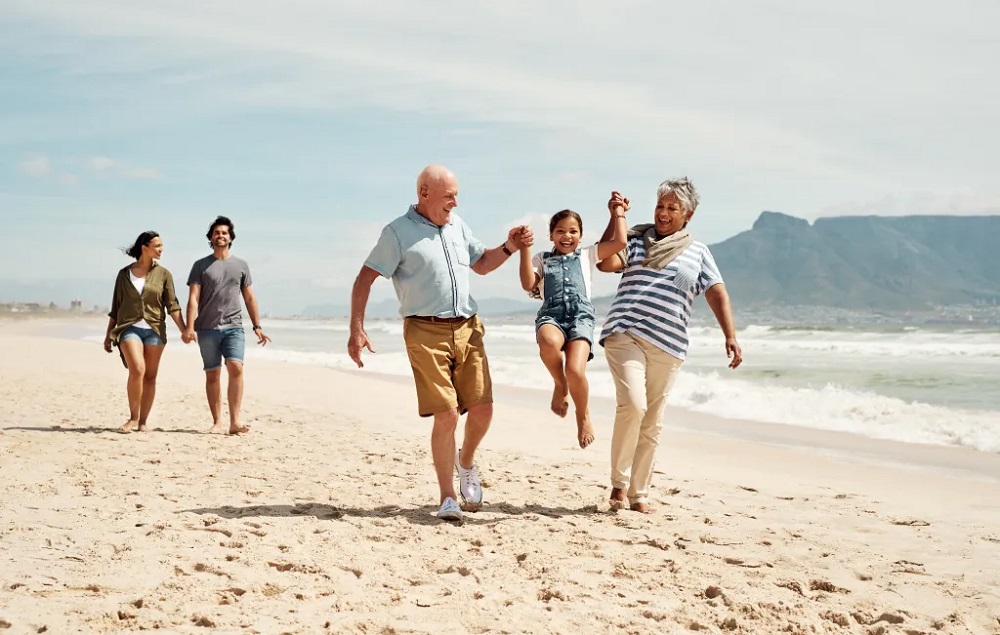
The traditional family vacation is undergoing a significant transformation. While the nuclear family unit once defined the summer getaway, modern travel trends show a massive surge in multigenerational trips. These journeys, often involving three or even four generations, aim to bridge the gap between the youngest and oldest members of a family. When planned correctly, a trip involving both toddlers and grandparents creates a unique environment for bonding that daily life rarely affords.
However, the logistical reality of balancing the needs of a two-year-old with those of a seventy-year-old requires more than just a shared itinerary. It demands a strategic approach to destination selection, pacing, and emotional intelligence. To bridge the gap successfully, families must move beyond the “one size fits all” mentality and embrace a philosophy of flexible inclusivity.
The Evolution of the 3G Vacation
The “3G” (three-generation) vacation has become a cornerstone of the travel industry for a reason. In an era where families are often geographically dispersed, these trips serve as a vital tool for maintaining kinship. For grandparents, it is an opportunity to witness developmental milestones firsthand. For toddlers, it is a chance to form a primary bond with elders who offer a different pace and perspective than their parents.
The primary challenge lies in the radical difference in energy levels and physical requirements. Toddlers operate on a schedule of high-intensity play followed by immediate exhaustion and the need for naps. Grandparents may have more endurance than a toddler but might face mobility issues or a preference for slower-paced, culturally enriched experiences. The goal is to find the “middle ground” where these two demographics can intersect without either party feeling marginalized.
Strategic Destination Selection
The success of a multigenerational trip is often decided before the suitcases are packed. Choosing a destination that caters to extreme age gaps is the first hurdle.
All-Inclusive Resorts and Cruises
These options are frequently the gold standard for bridging the gap. Cruises provide a contained environment where the “home base” (the cabin) is always accessible. If a toddler needs a nap, a parent or grandparent can take them back to the room in minutes without disrupting the rest of the group. Meanwhile, the ship offers kids’ clubs for the youngsters and quiet lounges or lectures for the seniors.
Managed Villa Rentals
Renting a large home in a walkable European village or a coastal US town offers more intimacy than a hotel. A villa provides a kitchen for picky eaters and multiple living spaces so that different generations can have “time out” from one another. Having a private pool or a fenced yard allows toddlers to burn energy safely while grandparents observe from a comfortable shaded patio.
National Parks with Accessibility
While rugged hiking might exclude some, many major National Parks in the US, such as the Grand Canyon or Yellowstone, offer paved “rim walks” and accessible overlooks. These spots allow a toddler in a stroller and a grandparent with a cane to enjoy the same breathtaking views simultaneously.
Navigating the Logistics of Different Paces
One of the most common mistakes in multigenerational travel is over-scheduling. To bridge the gap, the itinerary must be built with “buffer zones.”
-
The Mid-Day Split: Plan a collective activity in the morning when energy is highest. After lunch, the group should naturally split. The toddlers go for their nap, and the grandparents can choose between a quiet rest or a more sophisticated activity, like a museum visit, that would be difficult with a crying child.
-
The One-Activity Rule: Limit the “must-do” list to one major event per day. Whether it is a boat tour or a visit to a local farm, trying to cram multiple attractions into a single day leads to irritability in both the very young and the elderly.
-
Transportation Matters: Minimize long car rides. If a toddler is strapped into a car seat for four hours, they will be explosive upon arrival. Similarly, long drives can be taxing on senior joints. Opt for direct flights or train travel where passengers can move around.
The Role of the Middle Generation
The parents, often referred to as the “Sandwich Generation,” act as the architects and mediators of the trip. Their role is to manage expectations. They must ensure that the grandparents do not feel like “unpaid babysitters” and that the toddlers do not become the sole focus of every waking moment.
Communication is essential. Before the trip, the middle generation should lead a discussion about budget, physical limitations, and dietary needs. Setting boundaries early prevents resentment. For instance, if the grandparents want to treat the family to a fancy dinner, the parents should be honest about whether the toddler can handle a two-hour seated meal.
Creating Shared Moments of Connection
To truly bridge the gap, you need activities that appeal to both the toddler’s sense of wonder and the grandparent’s appreciation for legacy.
1. Animal Encounters
Simple interactions with nature are universal. A visit to a gentle petting zoo or an aquarium provides sensory stimulation for a toddler and a relaxed environment for a grandparent to narrate the experience.
2. Storytelling and Legacy
Travel often sparks memories. A grandparent walking through a historic site might be reminded of their own childhood. Encouraging these stories while a toddler plays nearby creates a rich tapestry of family history. Even if the toddler does not understand the historical context, they sense the emotional weight of the shared moment.
3. The Joy of the Mundane
Sometimes the best “bridging” happens during simple activities. Feeding ducks at a park, building a sandcastle, or sharing an ice cream cone are low-stress activities that require no special equipment but provide maximum face-to-face interaction.
Essential Packing for Both Ends of the Spectrum
Packing for a multigenerational trip requires a dual focus. You are essentially packing for two sets of vulnerable travelers.
-
For the Toddler: Familiarity is key. Bring the specific white noise machine, the favorite blanket, and a stash of snacks that you know they will eat. Keeping their environment as close to home as possible reduces the likelihood of meltdowns.
-
For the Grandparents: Prioritize comfort and health. Ensure there is a printed list of all medications and emergency contact information. Portable stools or lightweight folding chairs can be a lifesaver for seniors during outings that involve standing in lines.
-
Shared Essentials: A high-quality first aid kit that includes both pediatric and adult dosages of common medications, plenty of sun protection, and a reliable way to stay hydrated.
Managing the Emotional Landscape
Multigenerational travel is as much about emotional management as it is about logistics. Living in close quarters can heighten existing family tensions. It is important to remember that “togetherness” does not mean being together 24/7.
Encourage “intergenerational pairings” that exclude the parents. Let a grandfather take the toddler for a slow walk to the park while the parents have a coffee alone. This gives the parents a break and allows the two ends of the age spectrum to develop their own unique shorthand and bond without parental interference.
Frequently Asked Questions
How should we handle the different sleep schedules of toddlers and seniors?
Seniors and toddlers often share an “early bird” schedule, which can be an advantage. Use the early morning hours for group breakfast and short walks while the world is quiet. If the grandparents prefer to stay up late while the toddler is in bed, ensure the accommodation has separate living areas or balconies so the adults can socialize without waking the child.
What is the best way to split the costs of a multigenerational trip?
Financial transparency is vital. Some grandparents choose to fund the entire trip as a gift, while other families split costs down the middle. Use a shared spreadsheet or an expense-tracking app to log communal costs like groceries and car rentals. Discussing the budget three months before departure prevents awkward moments at the dinner table.
What if the grandparents have significant mobility issues?
Choose “stationary” vacations over “touring” vacations. Instead of a multi-city tour of Italy, pick one accessible villa in Tuscany. Use services like Cloud of Goods or local medical supply rentals to have wheelchairs or scooters delivered to your accommodation. Focus on scenic train rides or boat tours where the view comes to you.
How do we deal with different dietary requirements?
Rent a place with a full kitchen. Trying to find a restaurant that satisfies a toddler’s desire for plain pasta, a parent’s wish for local cuisine, and a grandparent’s low-sodium diet is a daily struggle. Having a home base for breakfast and dinner reduces stress and saves money, allowing you to focus on one “special” meal out per day.
How do we handle discipline when grandparents and parents disagree?
This is a common friction point. Before the trip, parents should gently communicate their “non-negotiables” regarding screen time, sugar intake, and bedtime. Grandparents should be encouraged to be the “fun” relatives, but they must respect the core boundaries set by the parents to avoid confusing the toddler and frustrating the adults.
Is it worth bringing a stroller for a toddler who can walk?
Absolutely. Even if your toddler is a great walker, a stroller serves three purposes: it keeps the child contained in crowded areas, it provides a mobile nap spot, and it can carry the heavy bags of water and snacks for the entire group, including the grandparents. It acts as a support tool for the whole family.
What should we do if someone gets sick during the trip?
Have a “contingency day” built into your itinerary. If the toddler catches a cold or a grandparent is feeling fatigued, have a pre-arranged plan for who stays behind and who goes out. Knowing that the trip won’t “ruin” because of a minor illness takes the pressure off everyone and allows the sick individual to rest without guilt.