

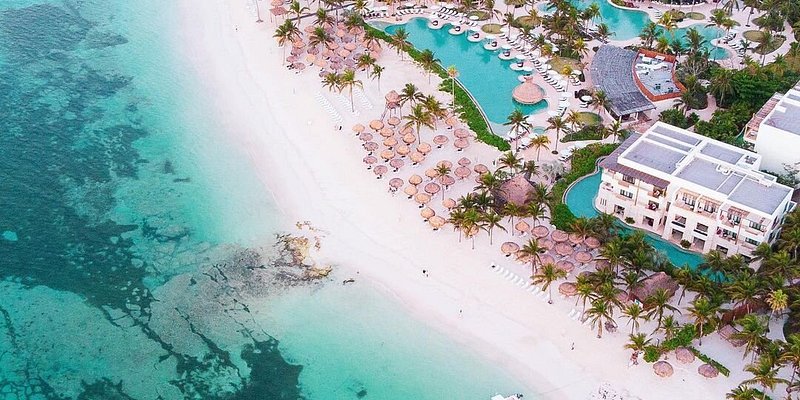
The concept of the resort has undergone a radical transformation over the last century. What once began as simple summer boarding houses or medicinal mineral spas has evolved into a multi-billion-dollar global industry characterized by architectural marvels, high-concept gastronomy, and hyper-personalized service. Today, a resort is more than just a place to sleep; it is a self-contained ecosystem designed to fulfill every conceivable human desire within a single geographic footprint.
As travelers increasingly prioritize experiences over material possessions, the resort industry has responded by diversifying its offerings. No longer confined to the classic beach-and-pool model, modern resorts now cater to specific niches ranging from eco-conscious retreats and wellness sanctuaries to high-adrenaline adventure hubs. Understanding the mechanics of the modern resort is essential for any traveler looking to navigate the vast landscape of global hospitality.
Defining the Resort Experience
At its core, a resort differs from a hotel in one fundamental aspect: the hotel is a place to stay while visiting a destination, whereas the resort is the destination itself. While a hotel provides a base for urban exploration or business meetings, a resort aims to capture the guest’s entire itinerary.
Resorts are typically situated in areas of significant natural beauty—coastal shorelines, mountain ranges, or lush tropical forests. They are defined by an expansive array of on-site amenities, including multiple dining venues, recreational facilities like golf courses and tennis courts, supervised children’s clubs, and elaborate spa complexes. The goal is to create a frictionless environment where the guest never feels the need to leave the property to find entertainment or sustenance.
The Rise of the All-Inclusive Model
Perhaps the most significant development in the history of resorts is the rise of the all-inclusive model. Pioneered in the mid-20th century, this concept has become the dominant force in Caribbean and Mexican tourism. The appeal is rooted in the psychology of “pre-paid peace of mind.” By bundling accommodations, unlimited food and beverages, and most activities into a single upfront price, resorts remove the “transactional friction” that can often dampen the holiday spirit.
However, the modern all-inclusive resort has moved far beyond the buffets and plastic wristbands of the past. Today’s luxury all-inclusive properties often feature:
-
A La Carte Dining: Partnerships with world-renowned chefs to offer high-end, made-to-order culinary experiences that rival Michelin-starred restaurants.
-
Premium Spirits: Open bars that feature top-shelf liquors and curated wine lists rather than house-brand alternatives.
-
Included Excursions: Integrating local cultural tours, scuba diving, or guided nature hikes into the base price to encourage exploration.
-
Personalized Butler Service: Dedicated staff members who handle everything from unpacking luggage to securing the best poolside cabana.
Specialized Resort Categories
As the market has matured, resorts have segmented into specialized categories to meet the demands of a more discerning and diverse traveling public.
Wellness and Medical Resorts
Wellness is no longer just an amenity; for many, it is the primary reason for travel. Wellness resorts focus on holistic health, offering programs that include yoga, meditation, nutritional counseling, and detox regimes. Some have even moved into the realm of “medical tourism,” providing on-site doctors, blood analysis, and longevity treatments. These resorts are designed to provide a “hard reset” for the mind and body.
Eco-Resorts and Sustainable Luxury
With the growing awareness of the climate crisis, the eco-resort has moved from a niche interest to a mainstream requirement for many travelers. These properties are built using sustainable materials, operate on renewable energy, and prioritize the preservation of the local ecosystem. True eco-resorts go beyond “greenwashing” by actively engaging in wildlife conservation and ensuring that the local community benefits directly from their operations.
Family-Centric Mega-Resorts
For travelers with children, the mega-resort offers a level of convenience that is hard to match. These properties often feature massive water parks, themed entertainment, and tiered “kids’ clubs” that cater to specific age groups from toddlers to teenagers. The strategic advantage for parents is the ability to enjoy adult-oriented activities, such as a quiet spa day or a romantic dinner, while knowing their children are in a safe, supervised, and engaging environment.
Adult-Only Sanctuaries
Conversely, the adult-only resort has seen a surge in popularity. By excluding guests under the age of 18 or 21, these properties can cultivate an atmosphere of sophisticated tranquility. These are often the preferred choice for honeymooners, anniversary celebrants, or groups of friends seeking a vacation free from the energetic chaos of family-oriented travel.
The Impact of Technology on the Resort Stay
Technology is silently reshaping the resort experience, making it more efficient while maintaining a sense of personal touch. Many high-end resorts now utilize “wearable tech,” such as waterproof bracelets that act as room keys and payment methods, allowing guests to leave their wallets in the room safe.
Furthermore, mobile apps have become a central hub for the resort stay. Guests can use these platforms to book spa treatments, view daily activity schedules, order 24-hour room service, and communicate directly with the concierge. This digital integration reduces wait times and allows staff to personalize service by tracking guest preferences and past behaviors.
Economic and Social Considerations
While resorts provide unparalleled relaxation for guests, they also play a complex role in the economies of their host countries. In many developing nations, a single large resort can be the largest employer in the region.
The most successful resorts are those that foster a symbiotic relationship with their surroundings. This includes sourcing food from local farmers, employing and training local residents for management positions, and respecting the cultural heritage of the area. Travelers are increasingly looking for this “social footprint,” choosing properties that demonstrate a genuine commitment to the local people rather than existing as an isolated enclave.
Choosing the Right Resort: A Strategic Approach
To ensure a rewarding stay, travelers must look beyond the glossy marketing photos and evaluate a resort based on their specific priorities.
-
Proximity and Transit: Consider the distance from the airport. A beautiful resort that requires a four-hour shuttle ride after a long flight might not be ideal for a short four-day getaway.
-
Beach and Water Quality: Not all “beachfront” properties are created equal. Research whether the beach is swimmable, if there are rocky entries, or if the area is prone to seasonal seaweed issues.
-
Activity Density: If you are someone who gets bored sitting by the pool, look for resorts with a high density of daily activities or easy access to off-site attractions.
-
Dining Diversity: For stays longer than five days, ensure the resort has enough distinct dining venues to prevent “palate fatigue.”
Frequently Asked Questions
What is the difference between a “European Plan” and an “All-Inclusive Plan” at a resort?
A European Plan (EP) means the rate only covers the cost of the room. All food, drinks, and most activities are charged extra to your room account. An All-Inclusive Plan (AI) bundles the room, meals, beverages (including alcohol), and basic entertainment into the nightly rate. Some resorts also offer a “Modified American Plan,” which typically includes breakfast and one other meal.
Are tips and gratuities included at all-inclusive resorts?
This varies significantly by brand. Some luxury all-inclusive chains have a strict “no tipping” policy because gratuities are already built into the high price of the stay. However, at many other resorts, tipping for exceptional service—such as to your bartender, maid, or butler—is common practice and highly appreciated by the staff.
What does it mean if a resort is “GST or Green Globe Certified”?
These are third-party certifications that indicate the resort meets specific international standards for environmental and social sustainability. This includes efficient water management, waste reduction programs, and ethical labor practices. Looking for these certifications is a good way to verify a resort’s eco-friendly claims.
Can I visit a resort for just a day without staying overnight?
Many resorts offer “Day Passes.” This allows local residents or travelers staying at smaller hotels to access the resort’s pools, beach, and dining facilities for a set fee. These passes usually cover a specific timeframe, such as 9:00 AM to 5:00 PM, and are a great way to experience a luxury property on a budget.
Is travel insurance more important for resort stays than for standard hotel stays?
Often, yes. Because resorts are frequently located in tropical regions prone to weather disruptions like hurricanes, or because they involve pre-paid all-inclusive packages that are non-refundable near the date of arrival, insurance provides a necessary safety net. It is particularly important if your stay involves expensive add-ons like chartered fishing or spa packages.
What is the “High Season” and how does it affect resort pricing?
The high season usually coincides with winter in the Northern Hemisphere (December through April) and major school holiday breaks. During this time, prices can be double or triple the “low season” rates, and the properties will be at maximum capacity. If you have flexibility, traveling during the “shoulder season”—the period just before or after the peak—often provides the best balance of good weather and lower prices.
Do resorts accommodate specific dietary restrictions like vegan or gluten-free diets?
Most modern international resorts are very well-equipped to handle dietary restrictions. However, it is always best to notify the resort in advance and speak with the restaurant manager upon arrival. Luxury resorts often have dedicated menus or can have the chef prepare custom meals to ensure guest safety and satisfaction.