

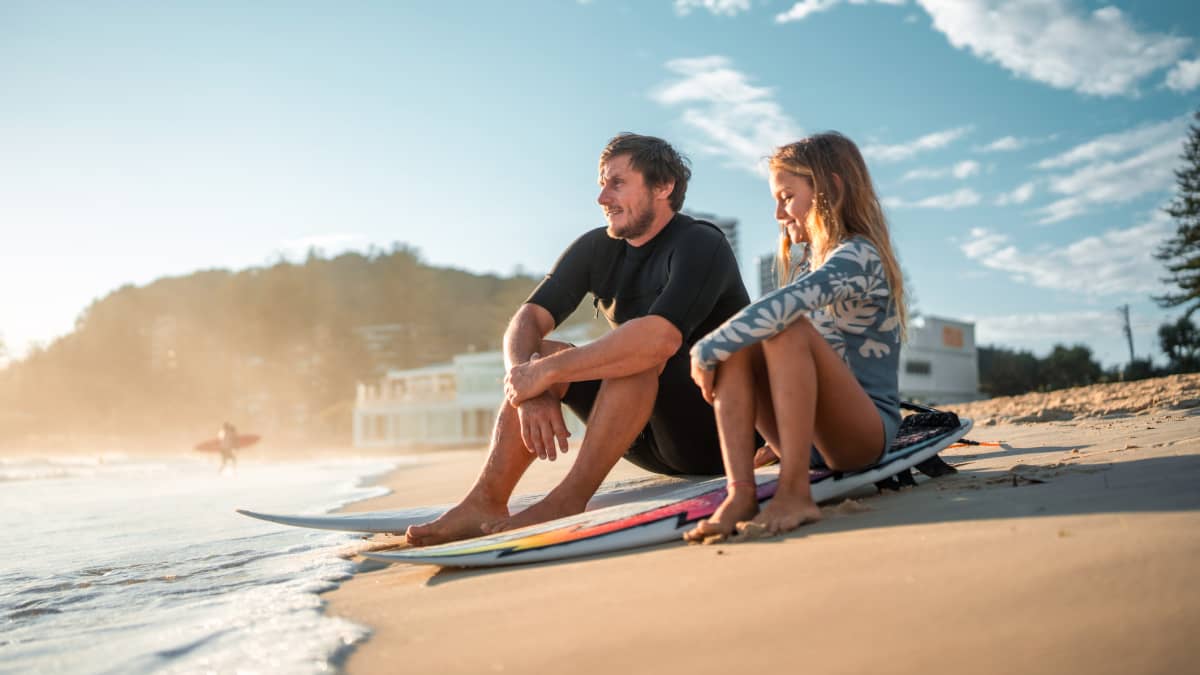
The concept of a vacation has undergone a significant transformation in recent years. No longer viewed as a simple luxury or a brief escape from the grind of daily life, travel is now recognized as a vital component of mental health, personal growth, and cultural education. In an age of constant connectivity, the ability to step away from the screen and immerse oneself in a new environment is more than a break; it is a necessary recalibration of the human experience.
Planning a successful vacation requires more than just picking a destination on a map. It involves a thoughtful consideration of timing, budget, and personal intent. Whether one is seeking the quiet solitude of a mountain retreat or the high-energy pulse of a metropolitan center, the most successful trips are those that align with the traveler’s current needs for restoration or stimulation.
The Psychology of Time Away
Understanding why we need vacations is the first step in planning them effectively. Psychologists have long noted that the human brain is not wired for perpetual productivity. Chronic stress leads to a phenomenon known as cognitive tunneling, where an individual becomes so focused on immediate tasks and anxieties that they lose the ability to see the bigger picture. A vacation acts as a biological circuit breaker.
By removing the familiar cues of home and work, travel forces the brain to form new neural pathways. Navigating a foreign city, trying unfamiliar foods, and hearing different languages all contribute to cognitive flexibility. This is why many people return from a trip with fresh perspectives on old problems. The benefits start even before the departure, as the anticipation of a trip releases dopamine, providing a sustained mood boost during the planning phases.
Choosing Your Travel Style
The modern traveler has more options than ever before, leading to the rise of specialized travel styles. Identifying which category fits your current state of mind is crucial for ensuring the trip meets your expectations.
-
The Wellness Retreat: Focused on physical and mental rejuvenation, these trips often involve spas, yoga, meditation, and a heavy emphasis on nutrition. These are ideal for those suffering from burnout.
-
The Adventure Expedition: For those who find relaxation through physical exertion, adventure travel includes hiking, diving, skiing, or climbing. The goal is to push personal limits and experience the natural world.
-
Cultural Immersion: This style prioritizes history, art, and local traditions. It usually involves staying in a single city for a longer duration to understand the nuances of the local lifestyle.
-
Slow Travel: A reaction against the “ten cities in ten days” approach, slow travel encourages spending weeks in one location to reduce the carbon footprint and foster deeper connections with the community.
Sustainable and Ethical Tourism
As global travel becomes more accessible, the importance of being a responsible tourist has moved to the forefront of the industry. Oversaturation in cities like Venice or Kyoto has led to a push for “undertourism,” where travelers are encouraged to visit lesser-known gems to distribute economic benefits more evenly and protect local infrastructure.
Sustainability in 2026 is no longer just about reusing hotel towels. It involves supporting local economies by eating at family-owned restaurants, staying in locally managed boutique hotels rather than international chains, and being mindful of water and energy consumption in regions where resources are scarce. Travelers are also increasingly looking at their carbon footprint, opting for rail travel where possible or contributing to verified carbon offset programs.
Strategic Planning for Stress-Free Travel
The difference between a stressful trip and a seamless one often lies in the logistical groundwork laid months in advance. While spontaneity has its charms, a lack of preparation can lead to unnecessary expenses and missed opportunities.
Timing and Seasonality
Understanding “shoulder season” is the most effective way to balance cost and comfort. This is the period between the peak season and the off-season. For example, visiting the Mediterranean in September or October offers warm weather and open attractions but without the stifling crowds and inflated prices of July. Conversely, visiting a destination in the dead of winter can offer a unique, quiet perspective, provided you are prepared for the climate.
Budgeting Beyond the Flight
Many travelers make the mistake of over-allocating funds to airfare and accommodation while underestimating daily expenses. A realistic budget should include a 20 percent buffer for unexpected costs such as local transport, tips, and the occasional splurge. Using local currency and understanding the tipping culture of your destination can also prevent awkward social interactions and financial leaks.
The Role of Technology in Modern Exploration
While the goal of a vacation is often to unplug, technology remains a powerful ally when used correctly. Advanced translation apps have broken down language barriers, making it possible to navigate rural areas with ease. Mapping software allows for the discovery of hidden alleys and local landmarks that might not be featured in traditional guidebooks.
However, the most successful modern travelers practice “digital discipline.” This means using technology as a tool for navigation and safety while setting strict limits on social media usage and work emails. The urge to document every moment for an online audience can often detract from the actual experience of being present in the moment.
Health and Safety Considerations
Traveling in the current global landscape requires a proactive approach to health. This includes staying updated on required vaccinations, carrying a basic first-aid kit, and ensuring that travel insurance covers both medical emergencies and trip cancellations. Safety also involves digital security; using virtual private networks when accessing public Wi-Fi in airports or hotels is essential for protecting personal data.
Furthermore, physical safety is often a matter of research. Understanding the social norms and local laws of a destination prevents accidental legal trouble. It is always advisable to have digital and physical copies of important documents, such as passports and insurance policies, stored in separate locations.
The Long-Term Impact of Travel
The true value of a vacation is measured not by the souvenirs brought home, but by the lasting change in the traveler. Exposure to different ways of life fosters empathy and reduces prejudice. When we see how people in other parts of the world live, work, and celebrate, our own problems often seem more manageable and our worldview becomes more inclusive.
Moreover, the memories created during a vacation provide a “mental gallery” that can be revisited during stressful times back home. The sense of accomplishment gained from successfully navigating a foreign environment builds self-confidence that carries over into professional and personal life.
Frequently Asked Questions
How can I maintain a healthy diet while traveling?
Maintaining a diet requires a balance of indulgence and discipline. Try to follow the “one-meal rule,” where you enjoy one local delicacy or heavy meal a day while keeping the other two meals light and focused on fresh produce. Visiting local grocery stores instead of eating out for every meal is another excellent way to control nutrition and save money.
Is travel insurance worth the cost for short trips?
Yes, travel insurance is highly recommended regardless of the trip length. Most domestic health insurance plans do not provide full coverage once you cross international borders. A small investment in a policy can save you thousands of dollars in the event of a medical emergency, a lost bag, or a sudden flight cancellation.
How do I overcome the post-vacation blues?
The “re-entry” period can be difficult. To ease the transition, try to return home at least one full day before you have to go back to work. Use this time to unpack, do laundry, and reflect on the trip. Planning your next small getaway, even if it is just a weekend trip, can also provide something new to look forward to.
What are the best ways to find authentic local experiences?
Move away from the main tourist squares. Usually, walking just three or four blocks away from a major landmark will lead you to the cafes and shops where locals actually spend their time. Additionally, using platforms that connect travelers with local guides for niche tours, such as architecture or street food, can provide insights you would never find on your own.
How can I travel on a budget without sacrificing quality?
Focus on “value destinations” where your home currency has more purchasing power. Additionally, prioritize what matters most to you. If you are a foodie, stay in a more modest hotel so you can afford high-end dining. If you value comfort, choose a luxury hotel and use public transportation instead of private taxis.
What is the best way to handle jet lag?
The most effective strategy is to align yourself with the local time zone immediately upon arrival. If you land at 10 in the morning, do not nap. Stay outdoors in the natural sunlight, stay hydrated, and wait until a normal evening hour to sleep. This helps reset your internal clock much faster than trying to sleep in short bursts.
How do I manage a vacation if I cannot completely disconnect from work?
If a total black-out is impossible, use the “work window” technique. Dedicate exactly one hour in the early morning to clear your inbox and handle urgent tasks. Once that hour is up, close the laptop and commit to being fully present for the rest of the day. This prevents work from “bleeding” into your leisure time and ruining the sense of escape.