

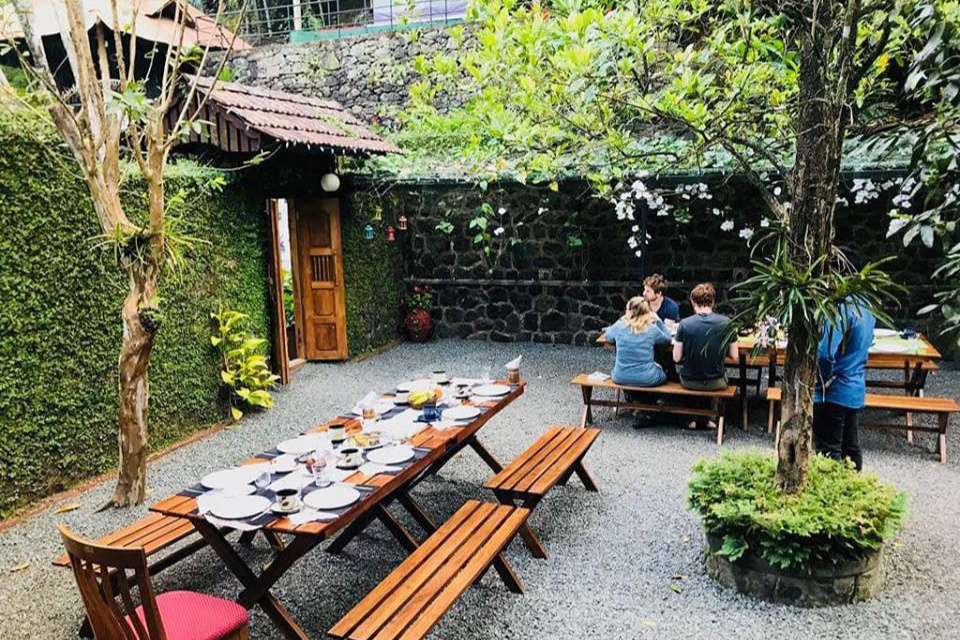
The modern traveler is increasingly exhausted. In an era defined by high-speed internet, instant gratification, and the relentless “bucket-list” culture of checking off landmarks, the act of vacationing has often become as stressful as the work it was meant to replace. Enter slow travel, a movement that rejects the frantic pace of traditional tourism in favor of depth, connection, and sustainability. At the heart of this shift lies the booming sector of agritourism and rural farm stays.
Agritourism—the practice of visiting working farms or agricultural settings for the purpose of enjoyment, education, or active involvement—is no longer a niche hobby for the rustic-inclined. It has become a cornerstone of the slow travel philosophy. By choosing to stay on a farm rather than in a sanitized city hotel, travelers are reclaiming their time and reconnecting with the land that sustains them.
Defining the Slow Travel Philosophy
To understand the appeal of rural accommodations, one must first understand slow travel. It is not merely about the speed of transportation, though taking a train instead of a flight is a common element. Rather, slow travel is a mindset. It encourages travelers to stay in one place longer, engage with the local community, and prioritize quality of experience over the quantity of sites visited.
When travelers opt for slow travel, they move away from the “tourist bubbles” and into the authentic rhythms of local life. This approach reduces the carbon footprint of the trip and ensures that tourism dollars stay within the local economy, particularly in rural areas that are often bypassed by major travel agencies.
The Rise of Agritourism: A Return to Roots
The surge in agritourism reflects a collective desire to de-digitalize. For many urban dwellers, the source of their food is a mystery solved only by a grocery store shelf. Farm stays bridge this gap. Agritourism encompasses a wide range of activities, including:
-
Educational Farm Tours: Understanding crop rotation, organic soil management, and livestock care.
-
Harvest Experiences: Picking seasonal fruits, vegetables, or participating in a vineyard harvest.
-
Artisanal Workshops: Learning to make cheese, bake sourdough, or shear sheep.
-
Direct-to-Consumer Sales: Purchasing goods directly from the farm stand, ensuring peak freshness and zero-mile logistics.
These experiences offer a sense of groundedness. There is a profound psychological benefit to manual labor or simply watching the sunrise over a pasture that a bustling city square cannot replicate.
The Unique Appeal of Rural Accommodations
Rural accommodations, specifically farm stays, offer an intimacy that commercial hospitality lacks. Whether it is a refurbished 19th-century barn in Vermont or a working cattle ranch in Montana, these stays provide a window into a lifestyle that is both ancient and essential.
Authentic Immersion
Unlike a themed hotel, a farm stay is a living, breathing operation. The sounds of the morning are not city sirens, but the calls of livestock or the hum of a tractor. This immersion forces a change in the traveler’s internal clock. You cannot rush a cow to be milked or a tomato to ripen; the farm dictates the pace.
Privacy and Space
In a post-pandemic world, the value of physical distance and fresh air has skyrocketed. Rural stays naturally provide the “social distancing” that travelers now crave. With hundreds of acres of meadows or woods to explore, the sense of confinement felt in urban centers evaporates.
Culinary Connection
One of the greatest luxuries of agritourism is the food. The concept of “farm-to-table” is often used as a marketing gimmick in cities, but on a farm stay, it is the literal reality. Guests often enjoy eggs gathered that morning, milk from the herd on-site, and produce harvested just steps from their bedroom. This connection to the source of sustenance transforms eating from a chore into a ritual.
Environmental and Economic Impact
Slow travel and agritourism are inherently more sustainable than mass tourism. Large-scale resorts often put a strain on local resources, from water consumption to waste management. In contrast, most farm stays operate on a smaller scale and are managed by families who have a vested interest in the long-term health of their land.
Supporting Local Economies
By staying in rural areas, travelers provide a vital secondary income stream for farmers. Small-scale agriculture is a difficult and often volatile business. Agritourism allows farmers to diversify their revenue, which can be the difference between losing a family farm and keeping it operational for the next generation.
Promoting Biodiversity
Many farms that host guests prioritize regenerative practices and biodiversity to maintain the aesthetic and ecological health of their property. Travelers who support these farms are indirectly supporting the preservation of heirloom seeds, rare livestock breeds, and natural habitats that might otherwise be cleared for industrial use.
Overcoming the Challenges of Rural Travel
While the benefits are numerous, slow travel in rural areas requires a different level of preparation. Public transportation is often non-existent, meaning travelers must be comfortable driving or navigating less-traveled roads. Furthermore, the “amenities” of a farm may differ from a five-star hotel. There might be spotty cellular service, and the “nightlife” consists of stargazing rather than clubbing.
However, for the slow traveler, these are not bugs but features. The lack of Wi-Fi becomes a “digital detox.” The absence of a concierge becomes an opportunity to have a genuine conversation with the farm owner.
The Future of Travel is Rural
As global awareness of climate change grows and the burnout from digital life intensifies, the shift toward slow travel appears to be a long-term trend rather than a passing fad. Travelers are no longer satisfied with being passive observers; they want to be active participants in the places they visit.
Agritourism provides a framework for this participation. It offers a way to travel that enriches the traveler, supports the host, and respects the environment. By slowing down and choosing the rural path, we rediscover the beauty of the world as it is, rather than as it is curated for us.
Frequently Asked Questions
What is the best time of year to plan a farm stay?
The ideal time depends entirely on what you wish to experience. Spring is perfect for seeing newborn animals and witnessing the planting season. Summer offers lush landscapes and the widest variety of harvest activities. Autumn is famous for cider pressing, pumpkin patches, and vibrant foliage, while winter provides a quiet, cozy atmosphere perfect for writing or reflection, though many farm activities are dormant.
Do I need to have agricultural experience to stay on a farm?
Not at all. Most farm stays are designed for the general public. While some “working” farm stays allow you to volunteer for chores like feeding chickens or weeding gardens, these activities are almost always optional. The hosts are usually eager to teach beginners about their way of life.
Are farm stays suitable for families with young children?
Farm stays are often considered some of the best vacations for children. It provides them with an outdoor classroom where they can learn about biology, animal husbandry, and where their food comes from. Many farms have specific areas designed for children to interact safely with docile animals.
How do I find reputable agritourism sites in the United States?
There are several dedicated platforms for rural stays, such as Farm Stay USA, which vets properties to ensure they are authentic working farms. Additionally, many state-level departments of agriculture maintain directories of agritourism destinations to help travelers find legitimate local experiences.
What should I pack for a rural accommodation stay?
Practicality is key. Sturdy, closed-toe boots or shoes are essential for walking around farm grounds. You should also bring clothing that you do not mind getting a bit dirty, layers for changing temperatures, and perhaps a good flashlight or headlamp, as rural areas lack the ambient light of cities.
Are farm stays more expensive than traditional hotels?
The price varies significantly based on the level of luxury. A simple rustic cabin or a room in a farmhouse can be very budget-friendly, often costing less than a mid-range city hotel. However, luxury “glamping” or high-end ranch experiences can be quite expensive. Generally, the value is higher because the price often includes unique experiences or fresh meals that you would pay extra for elsewhere.
Is it possible to participate in slow travel without a car?
In the United States, it is challenging but not impossible. Some rural areas are accessible via long-distance bus or train lines, and some hosts may offer a shuttle service from the nearest station. However, for total freedom in rural settings, a vehicle is usually recommended, though once you arrive, the goal is to leave the car parked as much as possible.